4 Ways Push-to-Talk Radio Communication is Transforming Facilities Management
4 Ways Push-to-Talk Radio Communication is Transforming Facilities Management
13th Aug 2026
Facilities management has never been a quiet job, to say the least. Between reactive maintenance calls, safety incidents, contractor coordination, and the constant pressure to keep sites running smoothly, communication can quickly become your biggest bottleneck. That’s where radio push to talk technology quietly (and sometimes loudly) steps in.
While it isn’t the newest tool on the block, the push to talk two way radio systems is proving to be one of the most effective ways to keep facilities teams connected, responsive, and – importantly – calm under pressure. Here are four ways it’s changing the day-to-day reality of facilities management, and why it’s high time for you to get involved.
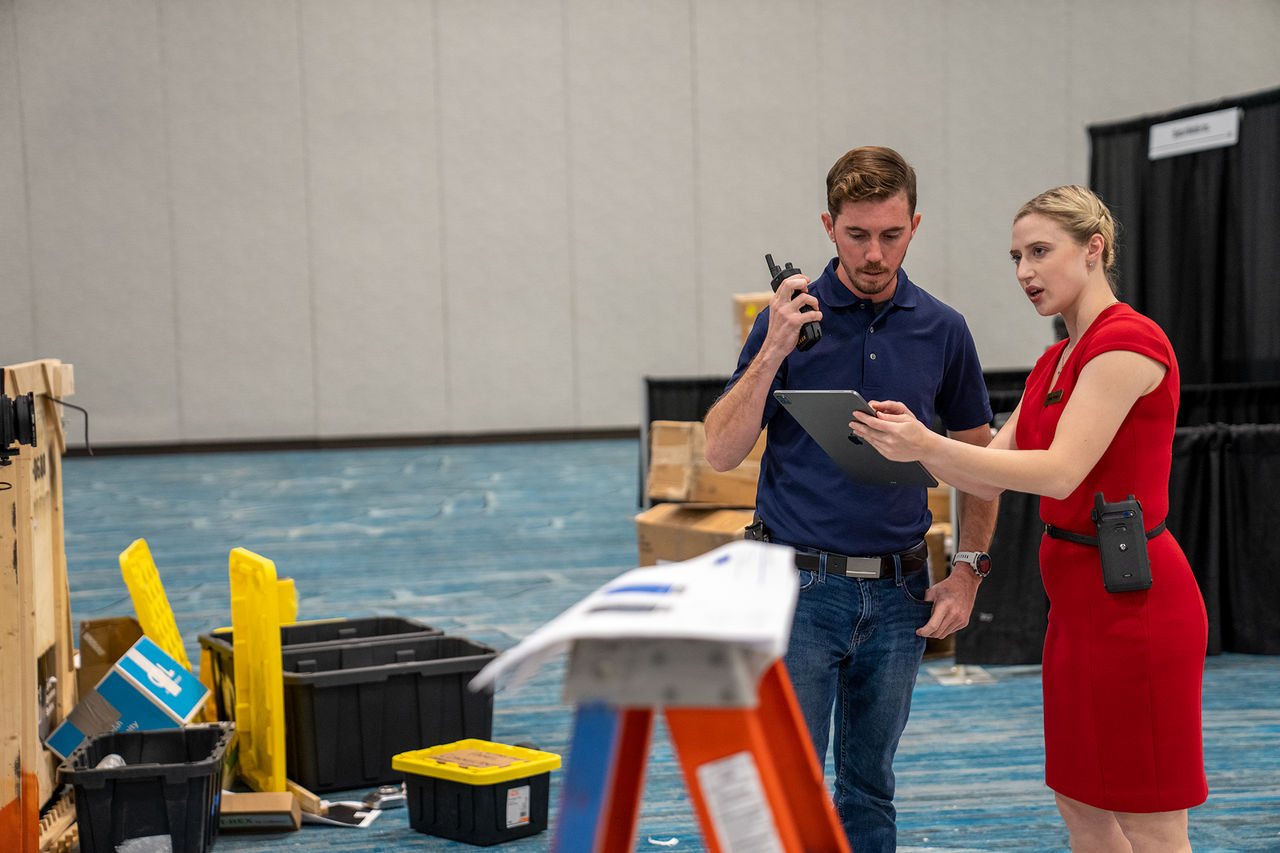
1. It Removes The “Can You Hear Me?” Moment
We’ve all been there. A phone call that doesn’t connect. A message that goes unread. A signal that disappears the moment you step into a plant room or basement. With radio push to talk, communication is immediate. Press the button, speak, and your message reaches the entire team or selected groups instantly. No dialling, no waiting, no wondering whether someone has seen your message.
For facilities managers, this means:
- Faster issue reporting
- Quicker task allocation
- Fewer repeated instructions
It’s communication that works at the pace your organisation demands.
2. It Keeps Teams Focused On Their Jobs, Not Their Screens
Mobile phones are powerful tools, but they come with an endless list of distractions. Notifications, apps, emails, and alerts all compete for attention, often at the worst possible moment. A push to talk two way radio does one thing extremely well: it lets people talk and listen. That simplicity is its strength.
For frontline teams, this translates into:
- Less wasteful screen time
- Safer working practices
- Clearer situational awareness
When communication is easier, it’s easier for people to stay focused on what they’re actually there to do.
3. It Improves Coordination During Incidents (Without The Chaos)
Incidents don’t politely wait for everyone to be ready, so when something goes wrong, facilities teams need to coordinate quickly and calmly.
Push-to-talk radios enable:
- One-to-many broadcasts
- Real-time updates as situations evolve
- Clear leadership communication
So, instead of multiple phone calls or fragmented updates, everyone hears the same message at the same time. This clarity reduces confusion, duplication of effort, and unnecessary stress.
4. It Works Where Phones Often Don’t
Unfortunately, facilities environments aren’t always mobile-friendly. Thick walls, underground areas, plant rooms, and large hospital and university campuses can all challenge network coverage. Professional two-way radios are designed specifically for these conditions, offering consistent performance across complex sites.
For example, the Motorola Solutions MOTOTRBO™ R5 is built for demanding environments, delivering clear audio, robust design, and reliable push to talk radio communication, even in noisy or hard-to-reach areas. Solutions like this, from Motorola Solutions, help your facilities teams stay connected when it matters most.
A Quiet Upgrade With A Big Impact
Push-to-talk radios don’t shout about being transformational, but their operational impact is hard to ignore. Faster response times, smoother coordination, and fewer communication breakdowns all add up to better-run facilities and safer working environments.
Sometimes, the most effective upgrades aren’t flashy. They just work.
Next Steps
If you’d like to explore whether push to talk two way radio systems could improve communication across your facilities, CSE Crosscom can help you design a solution that fits your site, teams, and operational needs. Please click here to request a callback from one of our friendly team.