Let's go!

Blog: Why Reliable Two-Way Radio Communication Is Critical for Patient Safety          Published: 03/03/2026   


Why Reliable Two-Way Radio Communication Is Critical for Patient Safety

In healthcare delivery, patient safety is influenced by numerous clinical and operational factors, but one critical enabler that is often overlooked is effective communication. Clear, responsive communication between staff, clinicians, and departments can often make the difference between a successful response or a delayed, mismanaged intervention. Increasing pressures on the NHS, including a worrying rise in violence against staff, amplify this need. In this context, a bespoke two-way radio communication system becomes a strategic asset for delivering safer, more resilient patient care.

How communication failures correlate with patient harm and delays

In many hospitals, communication breakdowns are among the most common contributing factors in serious incident investigations. NHS England’s analysis of spoken communication in safety-critical environments revealed that poor communication was frequently cited in incident reports, highlighting its impact on patient outcomes and safety. These harms can manifest in various ways, from delays in treatment to misinterpretation of clinical urgency, creating an elevated (and often avoidable) risk situation.

A dependable radio system helps to reduce ambiguity in communication by transmitting critical messages immediately to the right teams – whether they concern urgent bed moves, deteriorating vital signs, or security alerts.

The threat to NHS staff: high levels of workplace violence now make reliable communication channels essential

Frontline healthcare environments are becoming more challenging for key workers. Worryingly, according to the most recent NHS Staff Survey (March 2025), 1 in 7 NHS staff (14.38%) experienced physical violence from patients, their relatives or the public in the past year. These stats highlight why communication must be swift and dependable, especially when responses need to be drawn in across a wide estate. In hostile or threatening situations, being able to raise an alert immediately, and have that message reach security, control rooms, or allied teams within seconds, is a critical safeguard for staff well-being.

Patients also report communication as a safety concern

Communication issues can also affect patient outcomes and care continuity, as well as the perception of service by the general public. Surveys of NHS patients show that poor communication between staff and the public is frequently cited as a cause of concern, with more than half (55%) of respondents experiencing poor communication from the NHS in recent years, and around one in ten claiming that their care was negatively affected as a result.

‘Patient-reported communications’ usually refer to explanations of treatment and coordination of appointments, rather than safety issues. But the findings do reflect a broader truth: ineffective communication harms outcomes. A robust radio system will help your staff coordinate miscommunication-prone workflows such as patient handovers, emergency calls, ambulance requests and interdepartmental escalations, ultimately improving the patient experience and clinical efficiency.

How radio technology mitigates these risks

A purpose-designed hospital radio system helps to embed efficient communication directly into your safety workflows. For example:

  • Instant, secure push-to-talk eliminates the delays associated with mobile phones or email exchanges, allowing a faster response to incidents.
  • Emergency signalling and alerts allow staff to call for help at the press of a button – especially useful for lone workers and during patient emergencies.
  • Location and status tracking help hospital control rooms direct the nearest responder to the place of need.
  • Dedicated networks maintain consistent coverage even in areas where mobile service is unreliable.

Communication products from Motorola Solutions — deployed through Motorola radio UK partners such as CSE Crosscom — including MOTOTRBO digital radios and integrated safety applications, can help your hospital transition from a fragmented communication approach to a dependable, coordinated system.
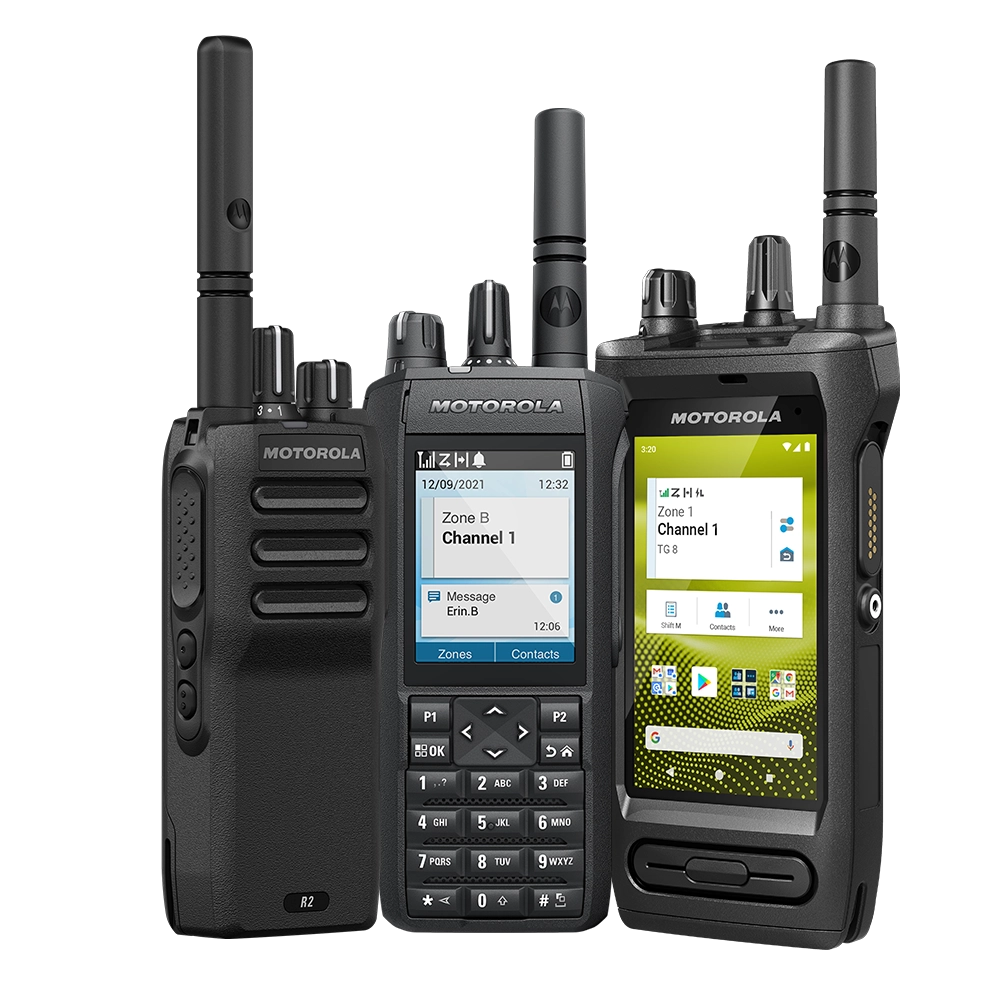
Motorola Solutions R2 R7 ION digital radios for patient safety


Contact our team of experts

Name(Required)