What Education Leaders Need to Know About Behaviour, Digital Safety and Next-Gen Classroom Tech in 2026
What Education Leaders Need to Know About Behaviour, Digital Safety and Next-Gen Classroom Tech in 2026
7th August 2026
As we enter 2026, Further & Higher Education leaders are navigating a complex landscape where student wellbeing, online safety, and on-site security intersect in unprecedented ways. Concerns about the impact of social media on pupils’ mental health and behaviour have reached a point where some major stakeholders are calling for legislative action, including a proposed Australian-style ban on social media for under-16s being urged by one of the UK’s largest teaching unions. At the same time, safeguarding organisations are reinforcing the need for robust, whole-school digital safety policies that encompass both online and physical environments.
For college and university leaders, the implications of these trends demand a strategic view of how technology can support positive behaviours, secure environments, and safer digital engagement.
Rising concerns about social media and behaviour
The digital world has become deeply embedded in pupils’ lives, bringing significant educational benefits but also new challenges. According to the National Online Safety guidance that schools should have e-safety policies covering all internet-connected technology, including mobile phones, these frameworks are essential to manage the risks associated with online platforms. These policies cover risks such as cyberbullying, grooming and harmful content, but also extend to responsible use of devices and the platforms that pupils frequent.
This concern is echoed in recent calls from the NASUWT teaching union, which reports that teachers are witnessing increases in disruptive behaviour and anxiety among pupils, partly attributed to social media use. Public debate on age-based access to social platforms has intensified in the UK, reflecting an ongoing shift toward prioritising children’s digital wellbeing.
In practice, this wave of concern has spurred schools to review how technology is used, both online and in the building, and how staff and pupils are supported in navigating digital spaces safely and responsibly.
Behaviour challenges and physical security technology
While social media and online safety dominate the headlines, school and further education leaders also face ongoing behaviour and safety challenges within their physical spaces. Disruptive or aggressive incidents, particularly involving pupils and staff, can undermine learning environments and strain resources.
Technology is playing a larger role here too. Devices such as body-worn cameras are being adopted by some institutions to deter anti-social behaviour and protect staff. Customer experience suggests that when staff wear Motorola Solutions body cameras in environments such as retail or security settings, many feel more confident and report enhanced safety, and some schools and colleges are noting similar benefits when used appropriately.
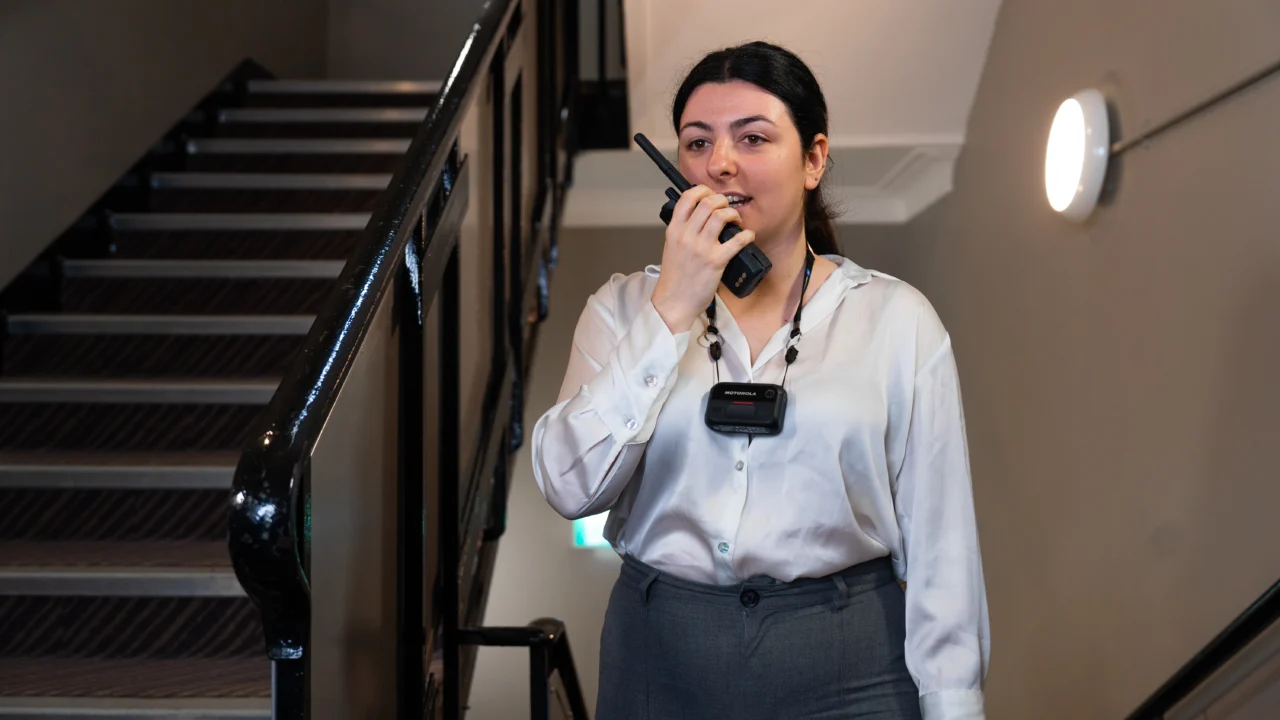
At the same time, effective communication systems are essential to incident response and day-to-day coordination across campus sites. Modern Motorola Solutions two-way radio communication systems support rapid communication between staff, pastoral teams and security personnel, independent of mobile phone networks that can be unreliable on large campuses. Taken together, these technologies help create layered safety and behaviour management strategies that complement digital safety policies.
Integrating technology with policy and practice
For education leaders, the key to success in 2026 lies in integration: joining policy, training, digital literacy, and physical technology into a coherent framework that supports safety, inclusion and positive behaviour both online and on campus. This means:
- Embedding digital safety into the curriculum and personal development initiatives
- Engaging students, parents, and carers in greater online safety awareness
- Deploying physical security tech around campus that supports staff and pupil wellbeing
- Ensuring that communication systems are reliable and fit for purpose
Technology should not be adopted in isolation: its impact is maximised when it aligns with clear policies, consistent practice and data-informed review. One device gaining strong traction in education settings is the Motorola Solutions V200 Body‑Worn Camera. Body-worn cameras like this device serve multiple roles: first, they provide a deterrent to threatening or disruptive behaviour, support staff safety by documenting incidents, and second, they can help de-escalate situations before they escalate further.
What next?
2026 is a year of opportunity for schools, colleges, and universities to rethink how they approach safety, behaviour and technology in an integrated way. If you would like to discuss your options and discover how Motorola Solutions two way radios and body worn cameras can help your organisation maintain a safe, secure, and future-ready learning environment, please call CSE today on 01480 407740.