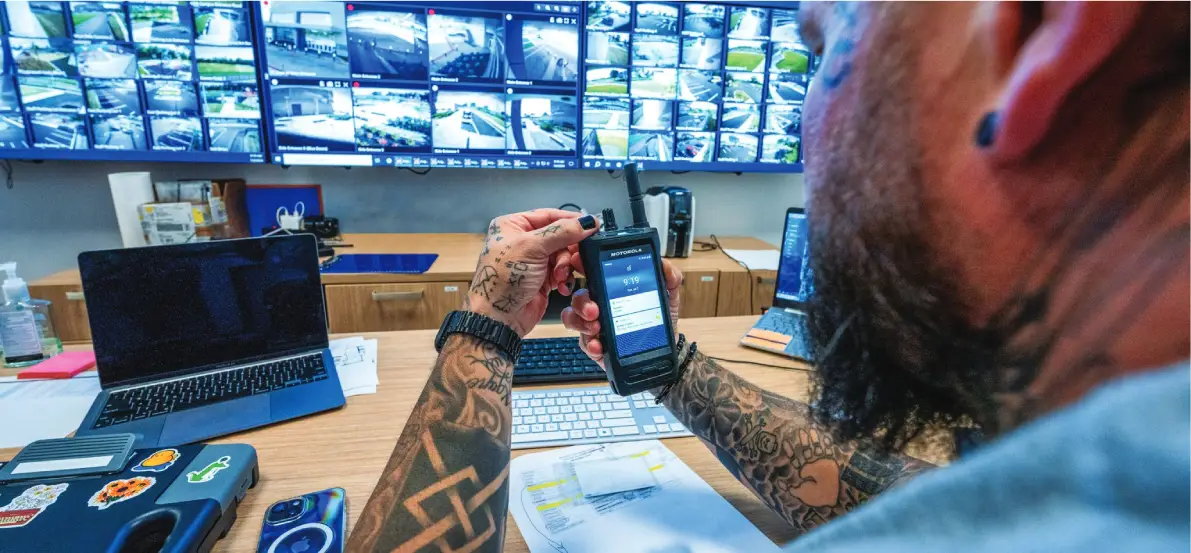
INTRODUCTION
How To Improve School & University Safety With Smart Security Technology
Addressing safety challenges in modern education
Across the UK, educational institutions face growing pressure to deliver academic excellence within environments that are safe and secure for both students and staff. From sprawling multi-site academies to busy city universities, the scale and complexity of modern campuses make effective security management a significant challenge.
In this guide, we explore the challenges faced by schools and universities and how integrated security technology can transform safety. From two-way radios for schools and body-worn cameras to smart sensors and AI-powered video surveillance, these tools can help educational leaders to create safer, more responsive campuses.

For best practice
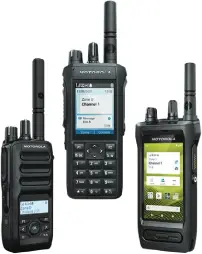
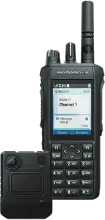
Implement Motorola MOTOTRBO™ digital radios (R7, R5 & ION) for encrypted, interference-free communication.
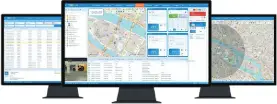
Use TRBONet to centralise all messaging, tracking, and audio management.
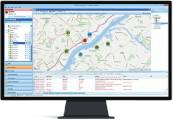
Configure lone-worker check-ins, panic alarms, and geofencing alerts.

Smart Security Solutions for a Safer Campus
This guide will show you how the right solutions can empower your staff and students with smarter protection, helping you to:
✅ Communicate clearly and act fast.
✅ Respond to incidents with full visibility.
✅ Control access and spot risks early.
Simply fill out the form provided to get instant access to your FREE guide!
For best practice
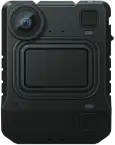
Equip all on-call safeguarding officers, site managers, and first responders with Motorola Solutions VB400 cameras.
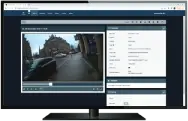
Train staff on incident tagging and privacy compliant usage.
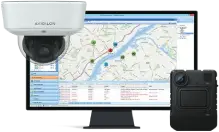
Integrate BWCs with fixed CCTV and TRBOnet for coordinated incident logging.

Rapid resolution of disputes.

Protection for lone-working staff.

Improved evidence collection.

A visible deterrent to prevent antisocial or intrusive behaviour.
For best practice
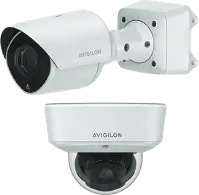
Install high-resolution Avigilon cameras at key entry points.
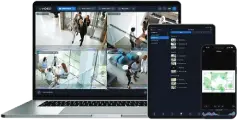
Configure AI alerts for loitering, forced entry, and restricted access attempts.
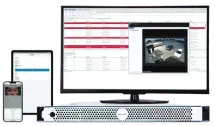
Use Avigilon Unity Access to issue temporary credentials for visitors.

For best practice
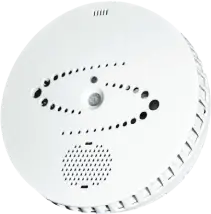
Place HALO smart sensors in strategic blind spots.
Connect alerts directly to TRBOnet for location tagged response.
Train safeguarding staff to respond discretely and appropriately when a problem is detected.

For best practice
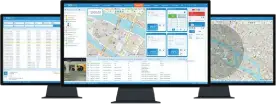
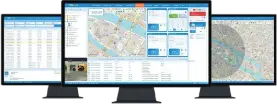
Build defined zones into TRBOnet with named responsibilities.
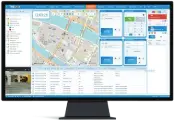
Use real-time mapping for mobile patrols.
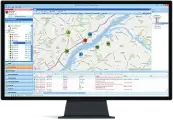
Configure emergency workflows into the dispatch system.

SUCCESS STORY
The University of Oxford
The University of Oxford has implemented an integrated communication system combining Motorola Solutions MOTOTRBO™ radio technology with TRBOnet dispatch software to support over 1,100 users across its historic and geographically dispersed sites. This solution delivers robust, site-wide radio connectivity and GPS-enabled dispatching, significantly enhancing safeguarding, emergency evacuation coordination, and lone worker protection.
With Motorola Solutions MOTOTRBO Linked Capacity Plus system and TRBOnet’s features—including voice recording, GPS tracking, and remote lone worker activation—Oxford’s Security Services can respond swiftly and effectively to incidents. The university-wide network offers city-wide coverage, centralised communications, and emergency prioritisation, all without relying on third-party infrastructure. This scalable system marks a transformative improvement in campus safety and operational coordination. use in accident management for lone working employees – can be triggered if the device senses a slip, trip, fall, or lack of movement, which could indicate that the user is in need of immediate assistance.


Royal Holloway University
Royal Holloway University of London, with 105 buildings spread across 135 acres, faced complex communication and safety challenges for its diverse operational teams. To meet these needs, the university partnered with CSE Crosscom to implement a Motorola Solutions Capacity Plus digital radio network, enhanced by TRBOnet Enterprise software.
The solution includes Motorola Solutions DP4601e, SL4000e, and DM4600e/DM4601e radios, plus a TRBOnet mobile app for smartphones—enabling flexible, campus-wide and remote communication. Key features such as lone worker monitoring, GPS
location tracking, telephony and fire alarm integration, and over-the-air programming ensure both safety and efficiency.
This integrated system connects staff across multiple departments—whether using radios, smartphones, or computers—offering real-time coordination, especially during emergencies or large events. Maintained under a Gold-level support contract, the solution has enhanced safety, streamlined operations, and ensured continuous communication across the university.
CREATE A SAFER LEARNING ENVIRONMENT WITH CSE CROSSCOM
CSE Crosscom is a leading independent provider of integrated communications and security solutions for schools and universities across Europe. From initial consultation and system design to installation, training, and ongoing support, we deliver a complete end-to-end service for the most complex of environments.
As Platinum Elite certified partners for Motorola Solutions – and accredited by leading brands including Avigilon, Hytera, HALO, AXON, Entel, Kenwood and more – we specialise in unifying voice, video, and data technologies to maximise the performance and value of every system we deliver.

Key ecosystem components
Motorola MOTOTRBO™ Radios R5, R7 & ION)
Rugged, digital two-way radios that offer exceptional audio, long battery life, waterproof durability, and instant push-to-talk functionality across campuses. Ideal for daily comms and emergency coordination.
TRBOnet Dispatch Software
A centralised platform that allows school and university operations teams to monitor GPS, issue alerts, track lone workers, dispatch support, and review audio logs. Essential for coordinating rapid, site-wide responses.
Motorola VB400 Body-Worn Cameras
Designed to protect staff and enhance safeguarding. With pre-record features, secure cloud upload, and live-streaming, they provide accountability and reduce risk during conflicts or safeguarding concerns.
Avigilon Video Security & Access Control
AI-powered video analytics, facial recognition, and remote access control to safeguard perimeters, monitor entrances, and track visitor movement. Integrates with radio networks and access logs.
HALO Smart Sensors
Vape, aggression, gunshot, and air quality detection. Ideal for non-CCTV zones. Privacy compliant and integrated with radio systems for instant notification.
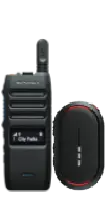
Push-to-Talk Over Broadband (PTToC)
Enables radios and smartphones to communicate over 4G/5G or Wi-Fi, extending coverage beyond campus boundaries. Excellent for field trips, transport coordination, and out-of-hours supervision.
Lone Worker Monitoring Solutions
Lone Worker Monitoring Solutions: Combines GPS tracking, periodic check-ins, and man-down alerts to support the safety of staff working alone on campus.
LET’S TALK INNOVATION
Ready to modernise your campus safety?
At CSE Crosscom, we have helped educational leaders across the UK and Europe to modernise their site security technology, streamline emergency responses, and establish safer learning environments for students and staff.
If you want to modernise your campus safety systems, please book a free, no-obligation consultation with our education technology specialists today to explore how smart solutions can work for your site.
Contact Us
Learn more about how CSE Crosscom supports worker safety and improves productivity to contribute to business growth.
- To learn more visit: csecrosscom.co.uk
- Let’s talk: 0800 542 7860
- Start a conversation: sales@csecrosscom.co.uk